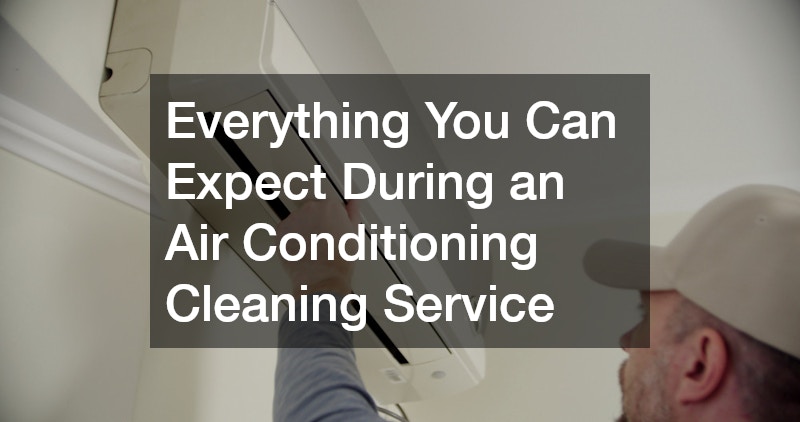
Keeping your air conditioner clean is an important part of maintaining a comfortable home or workplace. Over time, dust, dirt, pollen and other debris can collect inside the system, affecting how well it operates and potentially contributing to unpleasant smells or reduced airflow. Professional air conditioning cleaning services are designed to address these issues by cleaning important components and helping the system operate as it should.
If you have never arranged a professional air conditioning clean before, you may be unsure about what the process involves. While the exact service can vary depending on the type and condition of your system, there are several common steps you can expect.
An Initial Inspection
A professional cleaning will generally begin with an inspection of the air conditioning system. The technician may look at the indoor and outdoor components, check the condition of accessible parts and identify areas where dirt or debris have accumulated.
This initial assessment allows the technician to determine how much cleaning is required. They can also look for visible signs of wear or potential problems that may need attention. Cleaning is not the same as repairing an air conditioner, so if a separate issue is discovered, the technician may recommend additional work.
Cleaning the Filters
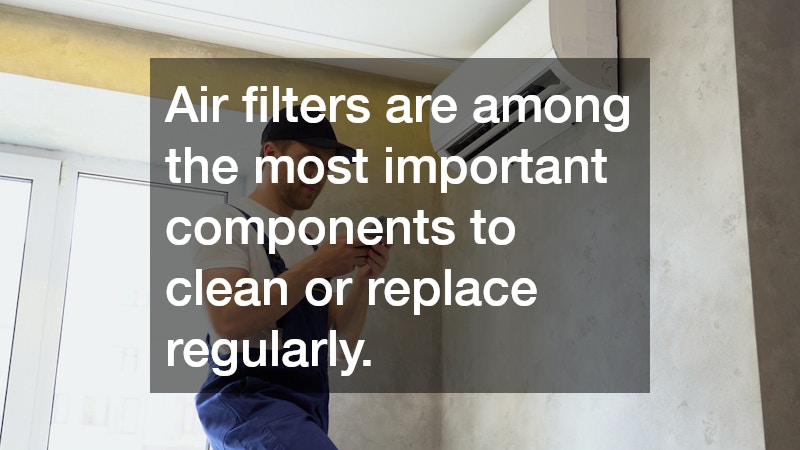
Air filters are among the most important components to clean or replace regularly. Their job is to capture airborne particles before they enter other parts of the system. When filters become heavily covered in dust, airflow can be restricted.
During professional air conditioning cleaning services, filters may be removed and cleaned if they are designed to be reusable. Disposable filters may instead need to be replaced. Keeping filters in good condition can help your air conditioner move air more effectively and may reduce the amount of dust circulating through the system.
Cleaning the Indoor Unit
The indoor portion of an air conditioner can accumulate considerable dust and grime, particularly when it has not been cleaned for an extended period. A technician may clean accessible surfaces and components, including areas around the evaporator coil, fan and air outlets.
Special care is generally taken to protect surrounding walls, flooring and furnishings during the process. Depending on the system and the level of build-up, the technician may use specialised cleaning products or equipment to remove dirt without damaging sensitive components.
Cleaning the Coils
The coils play an important role in the cooling process. When dirt accumulates on them, the system may have to work harder to transfer heat effectively.
Professional cleaning can help remove accumulated debris from accessible coil surfaces. The technician will use an appropriate method based on the system and the condition of the coils. Proper cleaning can help maintain airflow and heat transfer while supporting the overall operation of the air conditioner.
Checking and Cleaning the Outdoor Unit
If your air conditioning system has an outdoor condenser unit, this will generally be inspected and cleaned as part of a more comprehensive service. Leaves, grass, dirt and other outdoor debris can collect around the unit.
The technician may remove debris from around the condenser and clean accessible components. Keeping the area around the outdoor unit reasonably clear can also help ensure that air can circulate properly.
Cleaning the Air Vents
Air vents and outlets can collect dust over time. Although they may seem like a minor part of the system, dirty vents can affect the cleanliness of the air being circulated throughout the room.
A technician may wipe or clean accessible vents and outlets, removing accumulated dust and debris. This can be particularly useful in homes or workplaces where vents have not been cleaned for a long time.
Checking Drainage
Many air conditioning systems produce condensation during normal operation. This moisture needs to drain away correctly. A blocked or dirty drain can contribute to water leaks and other problems.
As part of a professional cleaning, the technician may inspect the drainage system and clear accessible blockages or build-up. This helps support proper condensation removal and can reduce the likelihood of avoidable drainage-related issues.
A Final System Check
Once the cleaning has been completed, the technician will generally run the system to ensure it is operating correctly. They may check airflow, listen for unusual noises and confirm that the system starts and runs as expected.
This final check is useful because it allows the technician to identify anything that may require further attention after cleaning. You may also receive advice about filter maintenance, cleaning frequency or other ways to care for your system.
Enjoy a Cleaner, Better-Maintained System
An air conditioning clean involves more than simply wiping down the visible parts of the unit. A professional service can involve inspecting the system, cleaning filters, coils, vents and accessible components, checking drainage and testing the system afterwards.
Regular cleaning can be a practical part of responsible air conditioner maintenance. By keeping dirt and debris under control and addressing potential issues early, you can help your system remain ready to provide reliable comfort when you need it most.